
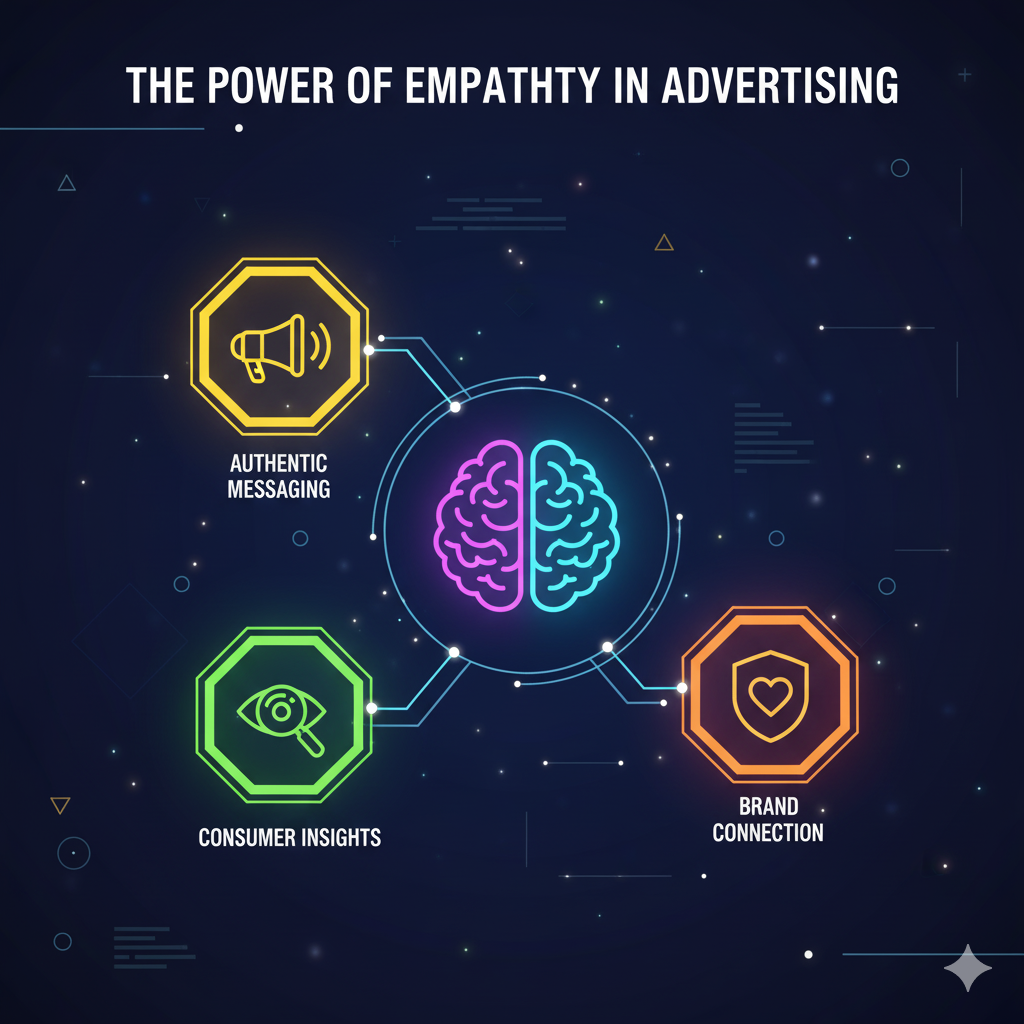
1. What Are Digital Ads?
Digital advertisements, or paid media, are any form of marketing communication used by businesses to promote their brand, product, or service through online channels.
Unlike organic content (which relies on algorithms or SEO), digital ads require a budget and directly target specific audiences.
Why Digital Ads are Essential
- Targeting Precision: They allow you to reach customers based on demographics, interests, job title, and behavior, avoiding wasted spend.
- Measurability: Every click, impression, and conversion is tracked, allowing for clear Return on Investment (ROI) calculation.
- Speed: You can launch a campaign and see results almost immediately, which is crucial for testing and rapid scaling.
2. Types of Digital Ads
Digital ads are generally categorized by where they appear and the format they use:
| Type | Description | Where They Appear | Best For |
| Search Engine Marketing (SEM/PPC) | Text ads that appear on Search Engine Results Pages (SERPs) when users search for specific keywords. | Google Ads (Search Network), Bing Ads. | Capturing users with high intent (ready to buy/research). |
| Display Advertising | Visual ads (images, banners, rich media) placed on third-party websites and apps. | Google Display Network, specific blogs, news sites. | Brand Awareness and Retargeting (showing ads to past website visitors). |
| Social Media Advertising | Ads integrated directly into a platform’s feed or stories, matching the native content style. | LinkedIn, Facebook/Instagram, YouTube, TikTok. | Building community, driving awareness, and generating targeted leads (especially B2B on LinkedIn). |
| Video Advertising | Ads that run before (pre-roll), during (mid-roll), or after (post-roll) other video content. | YouTube, Facebook/Instagram Reels, CTV (Connected TV) apps. | High engagement and telling complex brand stories. |
| Native Advertising | Sponsored content (articles, suggested posts) that looks and feels like the content around it. | News sites, sponsored feeds (e.g., Taboola). | Thought Leadership and driving traffic to detailed content (like Markempai blog posts). |
| Retargeting/Remarketing | A strategy (not a format) where any of the above ads are shown only to people who have previously engaged with your brand (e.g., visited a pricing page). | Across all networks (Search, Social, Display). | Boosting Conversion Rates and keeping the brand top-of-mind during long sales cycles. |
3. How to Set Up a Digital Ad Campaign (The 5-Step Process)
Setting up an ad campaign follows a universal strategic workflow across major platforms like Google and Meta/LinkedIn:
1: Define the Goal & Budget (The “Why”)
- Goal: What is the specific, measurable action you want? (e.g., Generate 50 B2B leads, Achieve $5,000 in product revenue, Get 1,000 views on a product demo video).
- Budget: Determine the total amount and the daily/lifetime spend.
2: Choose the Platform & Format (The “Where” & “What”)
- Select the network(s) that align with your goal (e.g., LinkedIn for B2B lead generation, Google Search for immediate customer intent).
- Choose the ad format (e.g., text ad, video, image carousel).
3: Define the Target Audience (The “Who”)
- This is the most crucial step for Markempai’s success. Use the platform’s targeting tools:
- Demographics: Age, location, language.
- Firmographics (B2B): Company size, job title, industry (critical on LinkedIn).
- Interests/Behavior: Based on pages they follow or websites they visit.
- Custom Audiences: Uploading a list of existing customers or website visitors for highly precise retargeting.
4: Create the Ad Creative and Landing Page (The “Message”)
- Ad Creative: The text, image, or video must have a clear hook and a strong Call-to-Action (CTA) (e.g., “Download the Guide,” “Request a Demo”).
- Landing Page: The destination page must perfectly match the ad’s message to maintain user trust and ensure high Conversion Rate Optimization (CRO).
5: Launch, Monitor, and Iterate (The “Control”)
- Set the campaign live.
- Monitor performance metrics (see Section 5) closely, especially during the first 72 hours.
- Adjust bids, targeting, or creative based on performance data.
4. Best Timings to Set Ads (Data vs. Audience Behavior)
While every audience is unique, general best practices exist. In 2025, modern ad platforms use AI to optimize delivery, making consistent 24/7 campaigns often better than time-gated ones. However, budget allocation should favor peak times:
General Platform Peak Times (Based on 2025 Data):
| Platform | Best Days/Times (General Focus) | Strategic Rationale |
| LinkedIn (B2B) | Tuesdays – Thursdays, 9 AM – 1 PM (Local Time) | Professionals are active during the workweek, taking coffee/lunch breaks. Avoid weekends. |
| Facebook/Instagram (B2C/B2B) | Mid-day (10 AM – 3 PM) and Evenings (7 PM – 10 PM) (Local Time) | Catching users during scroll breaks or after work hours. |
| Google Search (PPC) | 24/7, with more budget allocated to working hours. | Intent is key—users search when they have a problem, regardless of time. Your bid strategy should match user activity. |
| TikTok | Afternoons (2 PM – 6 PM) and Evenings (7 PM – 10 PM) | Entertainment focus means users are most active outside of traditional work/school hours. |
Key Rule: These are just starting points. The ultimate best time is determined by your specific audience’s behavior data within the ad platform’s analytics.
5. How to Tell Your Ad is Working (Key Metrics)
You measure ad success by moving beyond simple Impressions (how many people saw it) and focusing on Conversion and Cost.
| Metric | Formula | What It Tells You (Success Indicator) |
| Click-Through Rate (CTR) | ImpressionsClicks×100 | How relevant/enticing your ad is. Higher CTR is better. |
| Conversion Rate (CVR) | ClicksConversions×100 | How effective your landing page and offer are. Higher CVR is better. |
| Cost Per Acquisition (CPA) | Total ConversionsTotal Ad Spend | The actual cost to acquire one customer/lead. Lower CPA is better. |
| Return On Ad Spend (ROAS) | Cost of AdsRevenue from Ads | The revenue generated for every dollar spent. ROAS >1.0 is generally profitable. |
| ROI (Return on Investment) | Cost(Revenue−Cost)×100 | The overall profitability of the campaign. The ultimate indicator of success. |
6. How to Edit and Optimize an Ad Campaign
Digital ads are rarely perfect on the first launch. Continuous optimization is mandatory.
- A/B Test Creatives: Never run just one ad. Test at least 2-3 variants (different headlines, images, or CTAs) against each other. Pause the lower-performing ads (low CTR) and duplicate the winner.
- Refine Targeting: If your CPA is too high, narrow your audience. If your audience is too narrow and your budget isn’t being spent, expand your reach slightly.
- Adjust Bids: If you’re missing impressions, increase your bid. If your CPA is too high, lower your bid or adjust your bidding strategy (e.g., from maximizing clicks to maximizing conversions).
- Optimize the Landing Page: If your CTR is high but your CVR is low, the problem is not the ad—it’s the destination. The landing page needs editing (faster loading, clearer form, stronger copy).
7. Which Social Media Platform Works Best for B2B Ads?
For a B2B strategy focused on Empathy Engineered™ messaging, LinkedIn is the undisputed champion.
- LinkedIn: Allows for surgical targeting based on Job Title, Company Industry, and Seniority, putting your message directly in front of the decision-makers. It is the platform of professional intent.
- YouTube: Excellent for B2B if your content is educational (e.g., webinars, detailed demos) and you target users searching for B2B solutions.
- Facebook/Instagram: Effective for Retargeting (showing a B2B message to a lead who previously visited your site) or for promoting company culture and recruiting.
The most effective strategy always involves an integrated approach, where LinkedIn drives the initial qualified lead, and retargeting ads on Google and Facebook keep the brand top-of-mind.
markempai.com |info@markempai.com.
Further Reading & Research:
Best Digital Marketing Practices In 2025: Best Digital Marketing Practices In 2025 – markempai.com
Effective Email Marketing Campaigns: A Guide for Kenyan Businesses: Effective Email Marketing Campaigns: A Guide for Kenyan Businesses – markempai.com
The Ultimate Guide to Search Engine Marketing: The Ultimate Guide to Search Engine Marketing – markempai.com
Digital Marketing Strategy: Digital Marketing Strategy – markempai.com
Optimizing for GEO and AEO in 2025: Optimizing for GEO and AEO in 2025 – markempai.com
What Is Digital Marketing? What Is Digital Marketing? – markempai.com